Infrared Replaces Steam and Saves Energy
 This article is in German only. For decades, hot water and steam systems were considered the standard for preheating glass before filling to help prevent thermal shock. However, these systems are energy‑intensive, slow to regulate and increasingly difficult to justify both economically and environmentally. In Issue 3/2026 of dei magazine, Excelitas Senior Marketing Manager Dr. Marie-Luise Bopp examines how modern carbon infrared technology is helping food and beverage manufacturers move away from energy-intensive hot water and steam systems for glass preheating, with measurable gains in efficiency, flexibility and process stability.
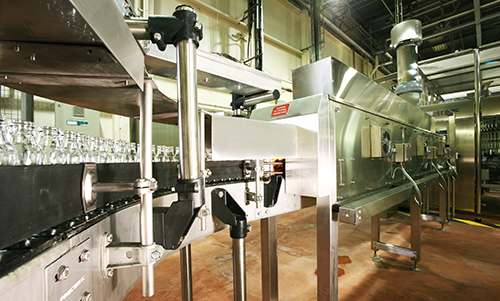
The article draws on real-world examples from juice, jam and sauce production to show how companies switching from steam to infrared are not only improving efficiency and productivity, but also gaining greater flexibility while reducing both energy and water consumption. Examples include Britvic in the UK, a company that now uses a four-meter infrared oven with a rated output of 109.2 kW to preheat glass bottles before juice filling. The new system has eliminated the need to heat and dry water before filling, reduced energy consumption significantly and improved line control through PID regulation.
Similarly, jam manufacturer Duerr, now leverages a custom carbon infrared oven that has enabled the transition from a warm water to a cold air rinse system, saving thousands of pounds annually in water costs while also improving process control. At Premier Foods, a 124-kW infrared oven has improved efficiency by more than 10% compared to the previous hot water rinse system, reducing downtime, eliminating glass breakage caused by temperature differentials and improving working conditions for production staff.
Read the full article, "Infrared Replaces Steam and Saves Energy," on page 12 in dei magazine to learn how Excelitas Carbon Infrared technology is helping food and beverage producers reduce energy and water costs while improving line performance.